
 광고상담문의
See What Container Purchase Tricks The Celebs Are Using
페이지 정보
작성자 ME 작성일25-08-18 19:23 (수정:25-08-18 19:23)관련링크
본문
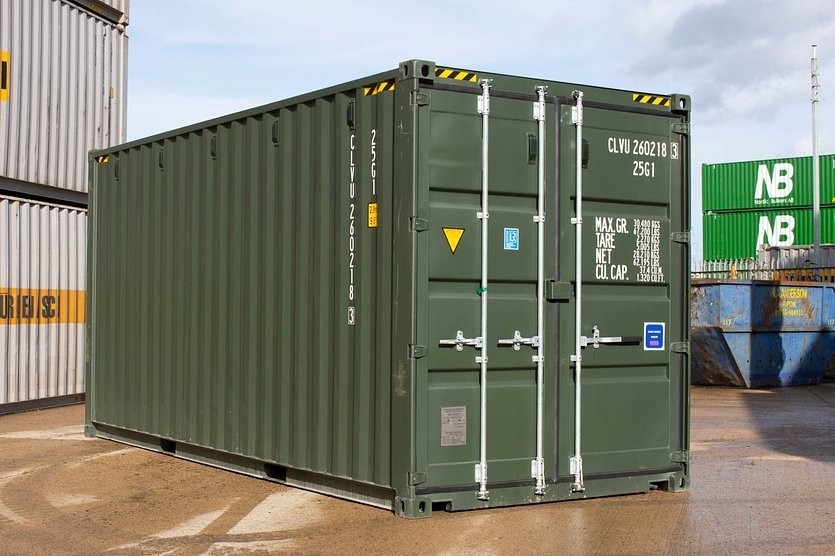
A Comprehensive Guide to Container Purchase: Everything You Need to Know
As the world accepts globalization and e-commerce continues to increase, the execution of effective and cost-effective logistics solutions has become vital for businesses. One such service is shipping containers, which work as crucial assets in the transportation and storage of products. This article provides a comprehensive overview of container purchase, highlighting essential considerations, types of containers, purchase procedures, and FAQs to help individuals and services alike.
Understanding Shipping Containers
Shipping containers are standardized containers that are developed to help with the safe and efficient movement of goods. They are constructed from durable materials, normally steel or aluminum, and are manufactured in numerous sizes, with the most typical being 20-foot and 40-foot units.
Kinds Of Shipping Containers
When thinking about Container Purchase - simply click the next document,, it is necessary to comprehend the different types readily available. The following list outlines the most typical kinds of containers:
Standard Dry Containers:
- Most common type used for basic cargo.
- Typical sizes: 20ft and 40ft.
Reefer Containers:
- Temperature-controlled units for disposable goods.
- Suitable for transporting food products, pharmaceuticals, and other temperature-sensitive items.
Open Top Containers:
- Have a removable top, permitting for oversized cargo to be filled.
- Typically used for heavy machinery or bulk products.
Flat Rack Containers:
- Open on the leading and sides, suitable for heavy or extra-large items.
- Effective for farming machinery or construction devices.
Tank Containers:
- Designed to carry liquids.
- Perfect for harmful products or bulk liquids.
Table: Common Types of Shipping Containers and Their Uses
| Container Prices Type | Description | Perfect For |
|---|---|---|
| Standard Dry | General cargo Container Construction | Dry goods, machinery |
| Reefer | Temperature controlled | Disposable foods, pharmaceuticals |
| Open Top | Detachable top for big cargo | Large equipment |
| Flat Rack | Open on top and sides | Heavy products, construction devices |
| Tank Container | Carries liquids | Chemicals, foods items, harmful liquids |
Factors to Consider When Purchasing Containers
Buying a shipping container is not simply about discovering the least expensive rate; numerous aspects must be thought about to guarantee that the container satisfies particular requirements. Here is a list of important aspects:
- Purpose: Determine the main use of the container (storage, shipping, and so on).
- Size: Evaluate the amount of products you require to transport. Standard sizes are 20ft and 40ft.
- Condition: Choose between new (one-trip) or used containers. New containers are often more expensive however come with guarantees, while used containers are more economical but may require upkeep.
- Specifications: Check technical requirements such as weight capacity, insulation, and weatherproofing for enhanced durability.
- ** Delivery Options **: Consider shipping costs and delivery options from the vendor to your desired location.
- Regional Regulations: Investigate any local policies relating to the positioning and use of shipping containers.
- Cost: Establish a budget that aspects in both the container's purchase rate and upkeep costs.
The Container Purchase Process
Understanding the container purchase procedure can simplify the purchasing experience and guarantee that purchasers make informed decisions. Below is a step-by-step guide:
Research Vendors:
- Identify respectable providers, both locally and worldwide.
- Consider factors such as consumer evaluations, warranty deals, and post-purchase support.
Request Quotes:
- Contact multiple suppliers to get quotes for the desired container types.
- Make sure that quotes consist of delivery costs.
Examine the Container:
- If possible, physically inspect used containers to examine their condition.
- Try to find signs of rust, water damage, or structural problems.
Work out Terms:
- Discuss payment terms, guarantees, and any extra services with the supplier.
- Work out to secure the finest possible deal.
Finalize the Purchase:
- Sign a purchase contract and make the payment as agreed.
- Guarantee you receive all required documents, including bills of sale and titles.
Arrange for Delivery:
- Coordinate with the supplier relating to delivery timelines and logistics.
Frequently Asked Questions (FAQs)
1. Just how much does a shipping container cost?
The expense of a shipping container varies based on type, condition, and market demand. Typically, a used shipping container might cost in between ₤ 1,500 and ₤ 3,000, while new containers may vary from ₤ 2,900 to ₤ 6,000 or more.
2. Can I utilize a shipping container for storage?
Yes, shipping containers are typically used for storage solutions, especially in construction sites and residential areas. They are weatherproof and safe and secure, making them perfect for storing equipment and products.
3. Are shipping containers insulated?
Some shipping containers come insulated, specifically cooled units known as "reefers." If insulation is necessary, buyers may want to think about including insulation materials to basic containers.
4. What are the maintenance requirements for shipping containers?
Routine upkeep includes inspecting for rust, ensuring doors open and close appropriately, and verifying structural stability. Regular cleansing can likewise prolong the container's lifespan.
5. Do I require a permit to put a shipping container on my residential or commercial property?
Permits differ by place. It is necessary to examine with local zoning laws and regulations to identify any requirements for positioning a shipping Container Relocation on domestic or business property.
Getting a shipping container can be a significant investment for people and services alike. Understanding the procedure, kinds of containers available, and essential considerations can result in a more informed purchase. With diligent research and cautious examination, buyers can find the most suitable container for their storage or transportation requirements, facilitating their operations in an increasingly globalized economy.

댓글목록
등록된 댓글이 없습니다.
