
 광고상담문의
5 Clarifications On Cargo
페이지 정보
작성자 XO 작성일25-08-18 23:09 (수정:25-08-18 23:09)관련링크
본문
Understanding Cargo Containers: The Backbone of Global Trade
Cargo containers play a crucial function in the modern-day global economy, assisting in the efficient transportation of goods throughout different modes of transportation. Comprehending their design, purpose, and effect on international trade deals important insights into how products traverse the globe and the economics behind shipping operations.
What Are Cargo Containers?
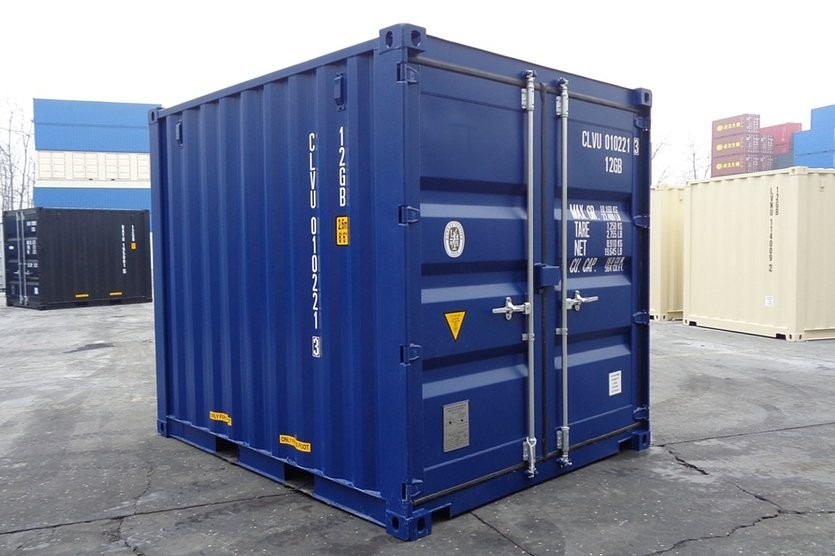
Cargo containers, likewise known as shipping containers or freight containers, are standardized sealed containers created to shop and transport goods. They are available in numerous sizes and types, varying from basic aluminum boxes to specialized containers for particular goods, such as cooled or tank containers. The standardization of these containers revolutionized shipping by permitting for intermodal transport, where cargo can be transferred across various modes of transportation without dumping the contents.
Kinds Of Cargo Containers
Cargo containers can be classified based on size, type, and specific function. Here is a list of the most typical types:
Standard Containers
- 20-foot Container Transport: Commonly used for domestic and international freight.
- 40-foot Container: The most frequently made use of size for shipping large quantities of goods.
Specialized Containers
- Refrigerated Containers (Reefers): Used for perishable products like food and pharmaceuticals, these containers maintain a controlled temperature.
- Tank Containers: Designed for transporting liquids, such as chemicals, food-grade liquids, and gases.
- Open Top Containers: Useful for tall or bulky cargo that can not be quickly loaded through basic doors.
- Flat Rack Containers: Ideal for heavy equipment and machinery, enabling simple loading from the leading or sides.
Advantages of Using Cargo Containers
Using cargo containers has actually transformed the shipping industry by using many advantages:
- Efficiency: Cargo containers allow rapid loading and discharging, decreasing port turnaround times.
- Cost-Effectiveness: Standardized containers decrease shipping costs by enhancing space and helping with bulk transport.
- Security: Containers are developed to be tamper-proof and waterproof, protecting items from damage and theft during transit.
- Flexibility: Intermodal shipping enables containers to be carried by ship, truck, and train without discharging the cargo.
The Role of Cargo Containers in Global Trade
Cargo containers are important to global trade networks, facilitating the motion of products from makers to customers worldwide. Here are some essential stats illustrating the effect of cargo containers on worldwide trade:
| Year | Container For Sale Ship Fleet (TEU) | Volume of Goods Moved (Million Metric Tons) |
|---|---|---|
| 2010 | 4,000,000 | 1,200 |
| 2015 | 5,500,000 | 1,500 |
| 2020 | 6,500,000 | 1,800 |
| 2023 | 8,000,000 | 2,200 |
Source: World Shipping Council
Key Points on Global Trade:
- Trade Growth: The rise in container shipping straight associates with the boost in international trade volumes.
- Supply Chain Impact: Cargo containers streamline supply chains, allowing companies to source products and provide products efficiently.
- Economic Development: Container shipping has actually been critical for emerging economies, supplying access to international markets.
Difficulties Facing the Cargo Container Industry
In spite of the many benefits of cargo containers, the industry faces a number of difficulties that can impact operations:
- Port Congestion: As international trade boosts, lots of ports experience congestion, resulting in delays and increased shipping costs.
- Environmental Concerns: The shipping industry is a considerable factor to greenhouse gas emissions, triggering require more sustainable practices.
- Security Threats: The potential for smuggling and prohibited activities using cargo containers requires improved security steps and customizeds inspections.
Future Trends in Cargo Container Shipping
The cargo shipping industry is continuously developing, with several trends emerging that will influence the future of cargo containers:
- Automation and Robotics: Many ports are adopting automated systems for loading and discharging containers, improving effectiveness and decreasing labor costs.
- Digitalization: The combination of advanced technology, such as blockchain and IoT, is streamlining logistics and enhancing transparency in supply chains.
- Sustainability: Growing environmental awareness is pushing the industry towards greener practices, consisting of the use of alternative fuels and environment-friendly shipping techniques.
Often Asked Questions (FAQs)
1. What is a shipping container made from?Shipping containers are generally made from high-strength steel, although some are made from aluminum or fiberglass for particular applications.
2. The length of time does a shipping container last?Well-kept shipping containers can last for 20-30 years or longer, depending on usage and ecological conditions.
3. Can shipping containers be used for storage?Yes, many companies and people utilize shipping containers as portable storage solutions due to their resilience and weather resistance.
4. How are cargo containers carried?Containers can be transported by means of ships, trucks, and trains, enabling smooth intermodal transport across long distances.
5. What is a TEU?TEU represents Twenty-foot Equivalent Unit, a step used to describe a ship's cargo-carrying capability based upon the standardized 20-foot container size.
Cargo containers are a pivotal aspect in the landscape of global trade, Container Delivery providing a reputable, effective, and affordable methods of transporting items throughout the world. As the need for international shipping continues to grow, innovations in Container Transport design and logistics practices will likely form the future of the industry, addressing the obstacles and chances that lie ahead. Comprehending the significance of cargo containers not just sheds light on the intricacies of global commerce however also highlights the systems that help with daily exchanges on the planet economy.
댓글목록
등록된 댓글이 없습니다.
