
 광고상담문의
17 Signs To Know You Work With Fear Of The Driving Test
페이지 정보
작성자 ID 작성일25-08-19 18:30 (수정:25-08-19 18:30)관련링크
본문
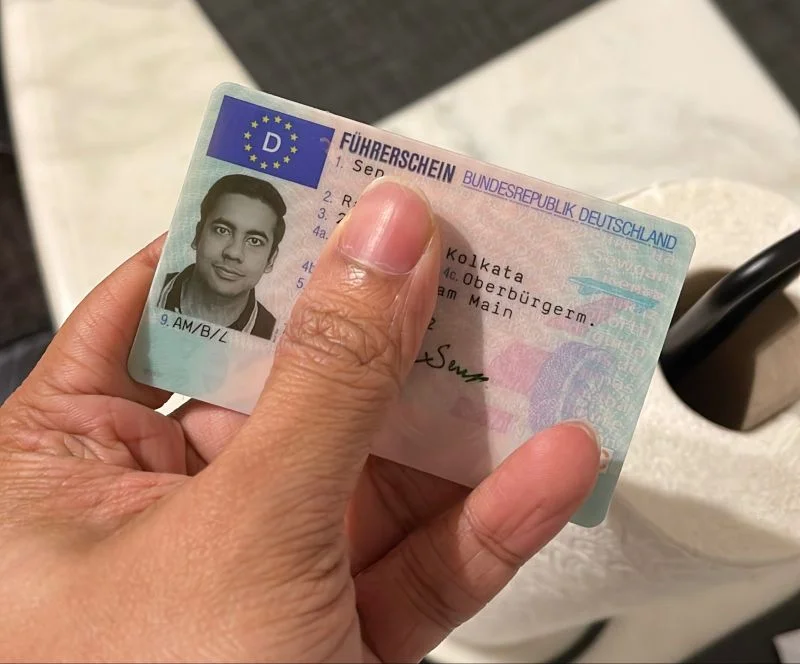
Overcoming the Fear of the Driving Test: A Comprehensive Guide
For many individuals, the driving test represents a significant milestone in their journey towards independence and movement. However, for a significant number of prospects, the fear of the driving test can be frustrating. This article explores the mental and practical aspects of this worry, using insights into how to manage and eventually overcome it.
Comprehending the Fear of Driving Tests
Worry of driving tests, typically classified as "test stress and anxiety," can come from numerous sources. These include:
- Fear of Failure: Many candidates hesitate of stopping working, which can cause deep feelings of insufficiency or embarassment.
- Pressure from Others: Expectations from household, buddies, or peers can increase stress levels and exacerbate anxiety.
- Absence of Experience: Novice motorists might feel daunted by the intricacy of the test, particularly in unfamiliar driving conditions.
- Negative Past Experiences: Previous failures or adverse experiences, such as accidents, can contribute considerably to test stress and anxiety.
Recognizing the origin of driving test anxiety permits candidates to resolve their fears in a positive manner.
Coping Strategies for Managing Test Anxiety
Practical Techniques
Preparation and Practice: Familiarity with the test format and driving maneuvers is essential. Prospects ought to practice driving routinely, preferably under varied conditions.
Mock Tests: Participating in mock driving tests with an instructor or a trusted pal can help simulate the real test environment, decreasing anxiety on the test day.
Favorable Visualization: Visualization methods can be advantageous. Prospects should picture themselves successfully finishing the driving test, which can help develop self-confidence.
Breathing Exercises: Simple breathing strategies can help calm nerves. Prospects can take deep breaths before and throughout the test to reduce stress and anxiety.
Psychological Approaches
Cognitive Behavioral Therapy (CBT): For serious stress and anxiety, prospects may gain from professional guidance. CBT can assist in reshaping unfavorable idea patterns connected with screening.
Mindfulness and Relaxation Techniques: Engaging in mindfulness practices, such as meditation or yoga, can cultivate a sense of calm and lower total anxiety levels.
Importance of Support Systems
Having a helpful network can substantially reduce the pressures related to the driving test. Here are a couple of ways support systems can contribute:
- Emotional Support: Friends and household can supply support, helping candidates feel less isolated in their experience.
- Practical Assistance: Trusted individuals can accompany candidates on practice drives, supplying constructive feedback and peace of mind.
- Comprehending and Patience: Acknowledging that stress and anxiety is a common experience enables candidates to feel more at ease about their worries.
The Driving Test Breakdown
Comprehending what to anticipate during the driving test can help alleviate anxiety. Below is a summed up table outlining the normal components of a driving test:
| Component | Description |
|---|---|
| Pre-Drive Check | Candidates may need to demonstrate knowledge of vehicle controls and security checks before driving. |
| Basic Control | Assessment of basic driving maneuvers, such as steering, braking, and signaling. |
| Road Navigation | Candidates need to demonstrate their capability to follow road guidelines, navigate crossways, FüHrerschein Schnellkurs Schweiz and manage traffic circumstances. |
| Parking Skills | Candidates are required to precisely perform parking maneuvers, such as parallel parking or parking in a lot. |
| Post-Drive Assessment | A conversation with the examiner covering strengths and weaknesses observed throughout the test. |
Frequently asked question Section
Q1: Is it normal to feel nervous before a driving test?
Yes, it is totally typical to experience anxiety before a driving test. Numerous individuals share these feelings, called test stress and anxiety.
Q2: How can I soothe my nerves on the day of the test?
Taking part in mindfulness practices, such as meditation or deep breathing, can help relieve nerves. Furthermore, arriving early to the testing website to acclimatize to the environment can be beneficial.
Q3: What if I fail my driving test?
Stopping working the driving test is not an uncommon occurrence. It is vital to view it as a learning opportunity. Assess the feedback provided by the examiner and concentrate on the locations that require improvement before retaking the test.
Q4: Can taking driving lessons minimize stress and anxiety?
Yes, führerschein kaufen legal erfahrungen führerschein express Bestellung (Https://Cameradb.Review/Wiki/A_Brief_History_Of_Does_A_Certificate_Cost_Money_In_10_Milestones) expert driving lessons can increase confidence and skills, minimizing general anxiety about the test. Trainers can supply valuable insights into the test format and expectations.
Q5: How many times can I retake the driving test?
The number of attempts to retake a driving test differs by location. A lot of jurisdictions provide particular standards concerning retaking tests, consisting of waiting durations and additional fees.
The fear of the driving test is a common concern that can be efficiently managed with the best strategies and assistance. By combining preparation with psychological coping techniques, candidates can substantially lower their stress and anxiety and increase their chances of success. Remember, the driving test is not just a step of ability however likewise a chance for personal development and confidence structure.
댓글목록
등록된 댓글이 없습니다.
