
 광고상담문의
What's The Job Market For New 45ft Containers Professionals?
페이지 정보
작성자 RL 작성일25-09-01 18:16 (수정:25-09-01 18:16)관련링크
본문
Exploring the New 45ft Containers: A Game-Changer in the Shipping Industry
In the ever-evolving world of worldwide logistics and shipping, development is essential to staying ahead of the competitors. One of the most recent advancements in this field is the introduction of the new 45-foot (45ft) containers. These containers are not simply a longer variation of the basic 20ft and 40ft units; they use a variety of benefits that can considerably enhance the performance, capacity, and cost-effectiveness of shipping operations. This short article explores the features, advantages, and potential impacts of the new 45ft containers on the shipping market.
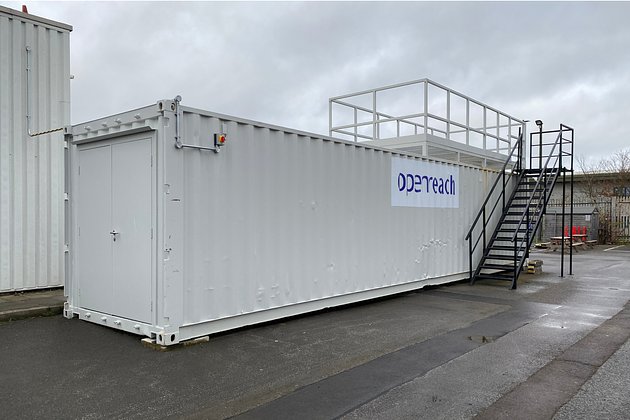
Introduction to 45ft Containers
The traditional shipping container sizes have actually been 20ft and 40ft, which have actually been the industry standard for decades. However, the intro of 45ft containers marks a considerable shift in the way products are transferred. These containers are 5 feet longer than the standard 40ft systems, offering an extra 100 cubic feet of cargo area. While they might seem like a basic extension of the existing designs, the design and functionality of 45ft containers have actually been enhanced to attend to specific obstacles and chances in the shipping industry.
Style and Specifications
The 45ft container is created to take full advantage of cargo capacity while maintaining the structural integrity and safety standards of shipping containers. Here are some of the key specifications:
- Length: 45 feet (13.72 meters)
- Width: 8 feet (2.44 meters)
- Height: 8 feet 6 inches (2.59 meters) for basic height containers and 9 feet 6 inches (2.90 meters) for high cube containers
- Volume: Approximately 3,060 cubic feet (86.65 cubic meters) for high cube containers
- Optimum Gross Weight: Typically around 67,200 pounds (30,488 kg)
These dimensions make the 45ft container suitable for transferring large volumes of goods, particularly those that are bulky or require more space, such as machinery, cars, and massive industrial devices.
Advantages of 45ft Containers
Increased Cargo Capacity
- The extra length and volume of 45ft storage containers containers enable for more products to be transported in a single unit, reducing the number of containers required for big deliveries. This can lead to significant cost savings in regards to handling, storage, and transport.
Cost Efficiency
- While 45ft containers may be somewhat more pricey than their 40ft counterparts, the cost per cubic foot of cargo is often lower. This makes them a cost-efficient alternative for high-volume deliveries, as fewer containers are required to transport the same quantity of items.
Enhanced Space Utilization
- The additional area in 45ft steel containers containers can be especially helpful for irregularly shaped or extra-large items. This enables carriers to optimize the usage of space, reducing the requirement for extra handling and packaging.
Lowered Handling and Transportation Costs
- By consolidating more goods into a single container, shippers can reduce the variety of times products require to be handled and moved, which can reduce the risk of damage and simplify the logistics process. Furthermore, fewer containers indicate less shipping and handling costs.
Improved Flexibility
- Secured 45ft containers containers provide greater versatility in regards to cargo types and configurations. They can accommodate a larger series of goods, from palletized items to equipment, making them a flexible choice for different shipping requirements.
Environmental Benefits
- By increasing the performance of cargo transportation, 45ft containers can help in reducing the general carbon footprint of shipping operations. Less trips and decreased handling imply less fuel usage and lower emissions.
Possible Impacts on the Shipping Industry
The intro of 45ft containers is expected to have several considerable impacts on the shipping industry:
Operational Efficiency
- Carriers and logistics suppliers can achieve higher operational efficiency by decreasing the number of containers needed for big deliveries. This can lead to faster turnaround times and more structured operations.
Port and Terminal Adaptation
- Ports and terminals will require to adapt to accommodate the longer 45ft containers. This may include modifying storage and handling devices, as well as changing terminal designs to make sure smooth operations.
Trucking and Rail Transport
- The transport of 45ft containers by truck and rail will require adjustments in filling and unloading procedures. Trucking companies may need to invest in longer trailers, and rail systems might need to be modified to deal with the increased length.
Regulatory Considerations
- Using 45ft containers might be subject to various policies and requirements, especially in regards to weight limits and size restrictions. Shippers and logistics suppliers will require to stay informed about these policies to avoid compliance problems.
Customer Satisfaction
- The increased capacity and flexibility of 45ft containers can lead to higher client satisfaction. Businesses can lower their shipping costs and deliver goods quicker, which can be a significant competitive benefit.
Frequently Asked Questions About 45ft Containers
Q: How much more cargo can a 45ft container hold compared to a 40ft container?
- A: A 45ft container can hold approximately 100 cubic feet more cargo than a 40ft container. This extra area can be especially beneficial for large or large items.
Q: Are 45ft containers more pricey than 40ft containers?
- A: While 45ft containers may have a greater in advance cost, they can be more cost-efficient in the long run. The increased cargo capacity often leads to lower shipping and dealing with costs per cubic foot of cargo.
Q: Can Durable 45ft containers containers be carried by all kinds of lorries?
- A: 45ft containers can be transported by many contemporary trucks and rail systems, however some changes might be needed. For example, longer trailers may be needed for trucking, and rail systems may require to be modified to handle the increased length.
Q: Are there any particular policies for utilizing 45ft containers?
- A: Yes, using 45ft containers might undergo different weight limits and size limitations compared to basic 20ft and 40ft containers. Shippers should seek advice from regional and international policies to make sure compliance.
Q: What markets can benefit the most from 45ft containers?
- A: Industries that manage big volumes of large or large items, such as automotive, production, and construction, can benefit the most from 45ft containers. They are also helpful for e-commerce and retail companies that need to carry a high volume of products.
Challenges and Considerations
While the advantages of 45ft containers are clear, there are also some obstacles and considerations to keep in mind:
Infrastructure and Equipment
- Ports, terminals, and transportation business will require to buy new infrastructure and equipment to manage 45ft containers. This can be a considerable cost, particularly for smaller operations.
Regulatory Compliance
- Compliance with local and worldwide guidelines is crucial. Shippers and logistics service providers need to make sure that they fulfill all size and weight restrictions for the areas they run in.
Handling and Storage
- Handling and storing 45ft containers can be more complicated than handling standard sizes. Specialized equipment and experienced workers may be needed to guarantee safe and efficient operations.
Weight Distribution
- Appropriate weight distribution is important to keep the structural integrity and safety of 45ft containers. Carriers ought to thoroughly plan the loading and securing of cargo to prevent any issues throughout transportation.
Cost of Transition

- Transitioning to 45ft containers might involve initial costs, such as the purchase of new containers and the adjustment of existing facilities. Nevertheless, the long-lasting benefits typically outweigh these initial expenses.
The introduction of 45ft container features containers represents a substantial advancement in the shipping market. These longer containers offer increased cargo capacity, cost efficiency, and functional versatility, making them an important choice for a large range of companies. While there are some challenges to think about, the prospective advantages of 45ft containers are substantial. As the industry continues to develop, it is most likely that 45ft containers will play an increasingly essential function in international logistics and shipping.
Additional Resources
- Shipping Container Dimensions and Specifications: A thorough guide to the dimensions and specifications of different container sizes.
- Port and Terminal Adaptation Guide: Tips and finest practices for adapting ports and terminals to manage 45ft containers.
- Regulative Compliance for Shipping Containers: An introduction of the regulations and requirements for utilizing different types of shipping containers.
By embracing the new 45ft containers, the shipping industry can take a considerable step forward in enhancing effectiveness and minimizing expenses, ultimately resulting in much better service for consumers and a more sustainable future for international logistics.
댓글목록
등록된 댓글이 없습니다.
