
 광고상담문의
Why You Should Not Think About How To Improve Your 45ft Container Supp…
페이지 정보
작성자 NP 작성일25-08-21 13:38 (수정:25-08-21 13:38)관련링크
본문
The World of 45ft Container Suppliers: Navigating the Logistics of Global Trade
In the huge and detailed world of worldwide trade, containers play a crucial role in helping with the efficient movement of items throughout borders. Among the various sizes of containers offered, the 45-foot container (45ft container) has ended up being a favored choice for numerous organizations due to its bigger capacity and flexibility. This short article explores the significance of 45ft container suppliers, their function in the supply chain, and the essential aspects to think about when choosing a supplier.
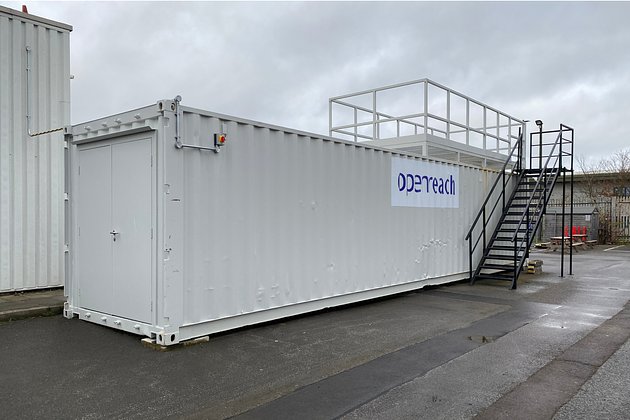
Introduction to 45ft Containers
A 45 Ft storage container-foot container, likewise called a 45ft container or a high cube container, is a standardized shipping container that measures 45 feet in length, 8 feet in width, and 9 feet 6 inches in height. This size uses a considerable increase in cargo capacity compared to the more typical 40-foot container, making it perfect for businesses that need to transfer large volumes of products. The 45ft container can hold up to 6,720 cubic feet of cargo and generally has a maximum weight capacity of around 67,200 pounds.
The Role of 45ft Container Suppliers
45ft container suppliers are necessary gamers in the logistics and transport market. They supply organizations with the essential equipment to carry items securely and efficiently. These providers can be manufacturers, renting business, or third-party logistics suppliers (3PLs) who offer containers for sale or lease. The role of a Portable 45ft containers container supplier extends beyond just providing the container; they also ensure that the container satisfies global standards, is in good condition, and is readily available when needed.
Key Factors to Consider When Choosing a 45ft Container Supplier
Quality and Condition of Containers
- Certifications: Ensure the supplier's containers satisfy worldwide standards such as ISO 1496 for intermodal containers.
- Upkeep: Check the supplier's repair and maintenance records to ensure the containers are well-maintained and in great working condition.
- Examination: Conduct physical examinations of the containers to ensure they are clean, structurally sound, and devoid of any defects that could affect the security and stability of the cargo.
Price and Cost Efficiency
- Relative Analysis: Compare costs from various suppliers to find the very best worth for your needs.
- Extra Costs: Factor in extra costs such as insurance coverage, maintenance, and return costs.
- Volume Discounts: Negotiate volume discount rates for big orders to reduce total costs.
Availability and Lead Times
- Stock Levels: Verify the supplier's stock levels to ensure they can satisfy your immediate and future requirements.
- Lead Times: Understand the preparations for container delivery and availability, especially throughout peak seasons or high-demand periods.
- Flexibility: Choose a supplier who can accommodate last-minute modifications or urgent demands.
Client Service and Support
- ** responsiveness **: Evaluate the provider's responsiveness to inquiries and requests.
- Technical Support: Ensure the supplier provides technical support for container use and maintenance.
- Feedback: Check consumer evaluations and feedback to determine the supplier's dependability and customer fulfillment.
Environmental Impact
- Sustainability: Look for providers who focus on sustainability and usage environment-friendly products and practices.
- Recycling Programs: Consider providers who have programs in location for the recycling and repurposing of utilized containers.
Logistical Capabilities
- Network: Assess the supplier's international network and capability to deliver containers to multiple destinations.
- Integration: Check if the supplier can incorporate their services with your existing logistics and transportation systems.
- Technology: Evaluate the supplier's usage of technology, such as tracking systems and digital platforms, to improve effectiveness and transparency.
The Benefits of Using 45ft Containers
Increased Cargo Capacity
- Volume: The 45ft container's bigger volume enables more goods to be transported in a single shipment, minimizing the requirement for numerous containers and decreasing transport expenses.
- Performance: Higher cargo capacity leads to more efficient use of area, which can be especially advantageous for services dealing with bulky or heavy products.
Flexibility in Cargo Types
- Versatility: 45ft containers can accommodate a vast array of cargo types, including machinery, furniture, and customer goods.
- Specialized Containers: Some providers offer specialized 45ft containers, such as refrigerated systems for temperature-sensitive cargo, which can be essential for specific markets.
Cost Savings
- Economies of Scale: Larger containers can result in economies of scale, lowering the cost per unit of cargo.
- Minimized Handling: Fewer containers imply less handling, which can reduce the threat of damage and lower labor expenses.
Improved Logistics Management
- Tracking: Advanced tracking systems can offer real-time updates on the location and status of the container, enhancing supply chain presence.
- Coordination: Larger containers can simplify logistics management by lowering the variety of specific systems that require to be collaborated and monitored.
Typical Challenges and Solutions
Port Congestion
- Option: Choose suppliers with robust logistics networks that can navigate port blockage and delays. Think about alternative routes or ports to reduce threats.
Customs Regulations
- Service: Work with suppliers who have proficiency in worldwide customizeds regulations and can offer assistance to ensure compliance.
Security Concerns
- Option: Opt for suppliers who execute stringent security procedures, such as tamper-evident seals and real-time tracking, to safeguard the cargo.
Environmental Impact
- Solution: Partner with providers who have a strong dedication to sustainability and offer environmentally friendly options, such as recycled or repurposed containers.
Regularly Asked Questions (FAQs)
Q1: What is the optimum weight capacity of a 45ft container?
- A1: The maximum weight capacity of a 45ft shipping container container is generally around 67,200 pounds (30,480 kg). However, this can differ depending on the specific container and the regulations of the shipping route.
Q2: How do 45ft containers compare to 40ft containers in regards to cost and effectiveness?
- A2: 45ft containers offer higher cargo capacity, which can lead to cost savings through lowered handling and fewer shipments. Nevertheless, they may also incur greater preliminary costs and additional costs for transportation and handling.
Q3: What are the dimensions of a 45ft container?
- A3: The standard dimensions of a 45ft container are 45 feet (13.716 meters) in length, 8 feet (2.438 meters) in width, and 9 feet 6 inches (2.9 meters) in height.
Q4: Are 45ft containers appropriate for all types of cargo?
- A4: 45ft containers are versatile and can accommodate a vast array of cargo types. However, for specialized products such as temperature-sensitive products, specialized containers like refrigerated systems may be needed.
Q5: How can I ensure the security of my cargo in a 45ft container?
- A5: To make sure the security of your cargo, use tamper-evident seals, real-time tracking, and deal with providers who have a strong security protocol in location. Routine examinations and monitoring can also assist avoid theft and damage.
45ft container suppliers are important to the smooth operation of international trade. By choosing a provider who provides high-quality containers, competitive rates, and dependable client service, businesses can maximize the benefits of using 45ft containers. These containers not only increase cargo capacity and effectiveness but also use versatility in managing different types of products. As the demand for efficient and sustainable logistics continues to grow, the function of 45ft container suppliers will become even more substantial in the worldwide supply chain.
Whether you are a small company aiming to broaden your operations or a large corporation managing complex supply chains, the choice of a 45ft container supplier can have an extensive effect on your logistics and transport methods. By considering the essential elements described in this article, you can make an educated choice that satisfies your specific needs and contributes to the success of your service.
댓글목록
등록된 댓글이 없습니다.
