
 광고상담문의
Five Killer Quora Answers To 45ft Cargo Containers
페이지 정보
작성자 UH 작성일25-08-27 06:52 (수정:25-08-27 06:52)관련링크
본문
The Versatile 45ft Cargo Container: Meeting the Demands of Global Trade
In the huge and complex world of international trade, the cargo container stands as an essential element, helping with the efficient and safe transportation of items around the world. Among the various sizes and kinds of containers, the 45-foot (45ft) cargo container has become a popular option for lots of markets. This article looks into the qualities, benefits, and applications of the 45ft cargo container, offering an extensive summary of its function in modern-day logistics.
What is a 45ft Cargo Container?
A 45ft cargo container, likewise understood as a 45-foot container, is a standard-sized shipping container that measures 45 feet in length, 8 feet in width, and 9.5 feet in height. These dimensions provide a considerable internal volume, making it an ideal option for transporting large amounts of products. Unlike the more common 20-foot and 40-foot containers, the 45ft container offers an extra 5 feet of length, which can be important for specific cargo types.
Key Characteristics of 45ft Cargo Containers
Internal Dimensions:
- Length: 45 feet (13.716 meters)
- Width: 8 feet (2.438 meters)
- Height: 8 feet 6 inches (2.591 meters) for standard height and 9 feet 6 inches (2.9 meters) for high cube containers.
External Dimensions:
- Length: 45 feet 1 inch (13.716 meters)
- Width: 8 feet (2.438 meters)
- Height: 9 feet 6 inches (2.9 meters) for high cube containers.
Capacity:
- Standard Height: Approximately 3,600 cubic feet (100 cubic meters)
- High Cube: Approximately 3,960 cubic feet (112 cubic meters)
Weight:
- Tare Weight (empty weight): About 8,900 pounds (4,040 kg)
- Payload (max weight of cargo): Up to 65,600 pounds (29,760 kg)
Benefits of Using 45ft Cargo Containers
Increased Capacity:
- The additional 5 feet of length in a 45ft container enables more cargo to be filled. This is especially advantageous for bulk items, machinery, and other big items that may not fit effectively in a 40-foot container.
Affordable:
- Despite being longer, the 45ft container frequently provides a more affordable service compared to using two 20-foot containers. The reduced handling and transportation expenses can result in significant cost savings.
Flexibility:
- These containers can be utilized for a large range of products, from consumer products to heavy machinery. They are available in different types, including dry, cooled, and open-top, to satisfy particular cargo needs.
Improved Efficiency:
- The larger size enables less container moves, which can enhance logistics and lower the danger of damage during handling. This is especially helpful for long-distance and international deliveries.
Applications of 45ft Cargo Containers
Bulk Goods:
- The increased volume is best for transferring bulk products such as paper, wood, and plastics. These items frequently need a big amount of space and can be loaded more efficiently in a 45ft container.
Heavy Machinery:
- Large and heavy equipment, such as building devices and industrial tools, can be transported more easily in a 45ft container. The additional length and height provide the essential space for these large items.
Automotive Parts:
- The vehicle industry typically utilizes 45ft containers to transport parts and elements. The additional area permits much better organization and protection of fragile parts.
Refrigerated Cargo:
- For disposable products needing temperature control, 45ft refrigerated containers are available. These containers are equipped with sophisticated cooling systems to preserve ideal conditions throughout transportation.
Retail and Consumer Goods:
- Many retail business utilize 45ft containers to ship big orders of customer items, such as clothing, electronic devices, and home appliances. The increased capacity assists to fulfill the high need for these items.
Obstacles and Considerations
Port and Terminal Constraints:
- Not all ports and terminals are equipped to handle 45ft containers due to their size. Shippers need to ensure that the destination and intermediate ports have the required infrastructure to accommodate these containers.
Transportation Regulations:
- Road and rail transportation guidelines may vary by nation. Carriers must abide by local laws and guidelines to prevent charges and hold-ups.
Packing and Unloading:
- The bigger size of 45ft containers can make filling and unloading more challenging. Specialized devices and skilled personnel may be required to handle these containers effectively.
Often Asked Questions (FAQs)
Q: What is the optimum weight a 45ft cargo container can carry?
- A: The payload capacity of a 45ft cargo container depends on 65,600 pounds (29,760 kg). However, this can differ depending upon the specific kind of container and the guidelines of the shipping route.
Q: Are Easy-to-move 45ft containers cargo containers more costly than 40ft containers?
- A: Generally, 45ft containers are more costly due to their bigger size. However, the increased capacity can result in cost savings in terms of managing and transport, particularly for Large 45ft containers deliveries.
Q: Can 45ft cargo containers be used for rail transport?
- A: Yes, 45ft containers can be utilized for rail transportation, but it depends on the rail infrastructure and policies of the specific country or region. Some rail systems may have constraints on container size.
Q: Are 45ft cargo containers appropriate for all types of cargo?
- A: While 45ft containers are versatile, they may not be ideal for all cargo types. For example, extremely heavy or awkwardly shaped products might require specialized containers. It's important to evaluate the specific needs of your cargo to figure out the finest container size.
Q: What is the difference between a standard height and a high cube 45ft container?
- A: The primary difference is the height. A standard height 45ft container is 8 feet 6 inches high, while a high cube 45ft container capacity container is 9 feet 6 inches high. The high cube version uses an additional 6 inches of headroom, which can be helpful for specific cargo types.
Types of 45ft Cargo Containers
Dry Containers:
- These are the most common type and are used for the transport of general cargo that does not need temperature level control.
Refrigerated Containers:
- Designed to maintain a particular temperature, these containers are important for carrying disposable items such as food, pharmaceuticals, and chemicals.
Open-Top Containers:
- These containers have a detachable top, enabling the loading of high or large items that can not fit through a basic door. They are ideal for construction products and equipment.
Flat-Rack Containers:
- Flat-rack containers have no sides or roofing, making them suitable for large and heavy cargo such as automobiles, boats, and industrial equipment.
Tank Containers:
- These specialized containers are utilized for the transportation of liquid and gaseous products. They are generally made of steel and are equipped with valves and assesses for safe handling.
Ecological Impact and Sustainability
The usage of 45ft cargo containers, like all shipping containers, has environmental implications. However, recent improvements in container design and logistics have concentrated on lowering these impacts:
Materials and Construction:
- Modern containers are constructed using long lasting and recyclable products, lowering waste and ecological degradation.
Fuel Efficiency:
- Larger containers can transfer more items in a single trip, potentially minimizing the overall carbon footprint of the shipment.
Sustainable Practices:
- Many shipping companies are adopting sustainable practices, such as optimizing routes, using cleaner fuels, and executing efficient packing and unloading processes.
The 45ft cargo container is an important property worldwide of logistics and global trade. Its increased capacity and versatility make it an ideal option for a wide variety of cargo types, from bulk goods to heavy equipment. While there are some difficulties to consider, the benefits of using 45ft containers often surpass the drawbacks. As the worldwide demand for effective and cost-effective transport services continues to grow, the 45ft cargo container is likely to stay an essential player in the shipping market.
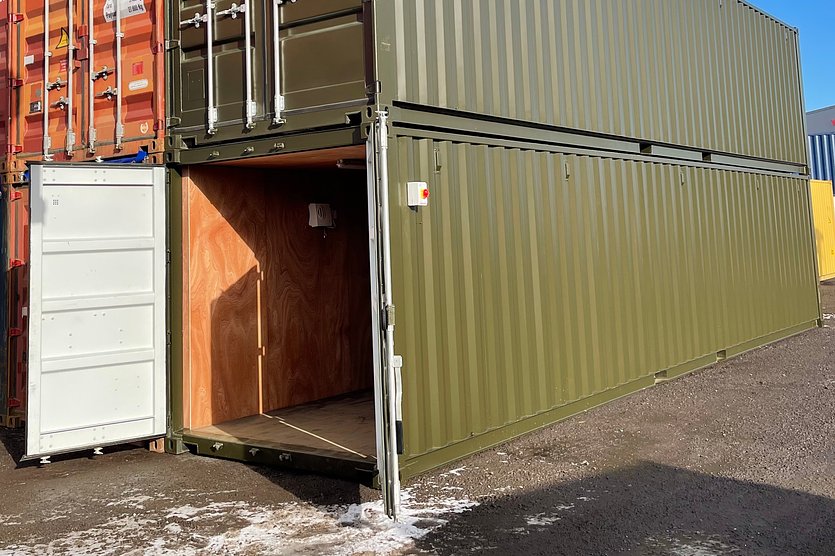
For businesses and individuals looking to transfer large amounts of products, understanding the capabilities and limitations of the 45ft cargo container is essential. By picking the best container size and type, carriers can guarantee that their cargo is transferred securely, efficiently, and in compliance with all relevant guidelines.
Extra Resources
- International Standards for Containers: Familiarize yourself with the International Organization for Standardization (ISO) requirements to make sure compliance with international shipping requirements.
- Container Leasing and Sales: Explore alternatives for renting or buying 45ft cargo containers from credible suppliers.
- Logistics and Shipping Companies: Partner with experienced logistics and shipping business to enhance your container use and improve your supply chain.
By leveraging the strengths of 45ft cargo containers, services can enhance their effectiveness, reduce costs, and fulfill the demands of a rapidly progressing international market.

댓글목록
등록된 댓글이 없습니다.
