
 광고상담문의
The Ultimate Glossary Of Terms About 45' Freight Containers
페이지 정보
작성자 JH 작성일25-08-27 08:10 (수정:25-08-27 08:10)관련링크
본문
Understanding the 45' Freight Containers: A Comprehensive Guide
In the large and intricate world of global trade and logistics, the 45' freight container sticks out as a vital player. This extended-length container offers distinct advantages and is extensively used in various markets for shipping products around the world. This article delves into the information of 45' freight containers, exploring their dimensions, advantages, common usages, and frequently asked concerns.
What is a 45' Freight Container?
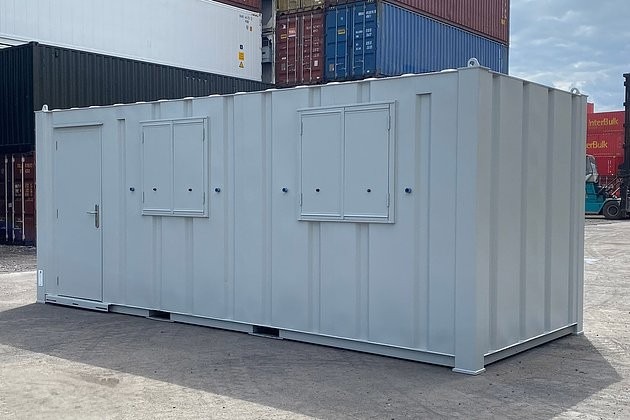
A 45' freight 45ft container, likewise called a 45-foot container, is a standardized shipping container that measures 45 feet in length. This is 10 feet longer than the standard 35-foot container, making it perfect for transferring larger volumes of cargo. The 45' container is created to take full advantage of cargo capacity while keeping the structural stability and security needed for long-distance shipping.
Dimensions of a 45' Freight Container
Understanding the dimensions of a 45' freight container is essential for logistics preparing and cargo loading. Here are the basic dimensions:
- Length: 45 feet (13.716 meters)
- Width: 8 feet (2.438 meters)
- Height: 9 feet 6 inches (2.9 meters) for a high cube container
- Internal Length: 40 feet 5.5 inches (12.33 meters)
- Internal Width: 7 feet 8.5 inches (2.35 meters)
- Internal Height: 8 feet 6 inches (2.6 meters) for a high cube container
- Door Opening: 8 feet 1 inch (2.46 meters) large and 8 feet 6 inches (2.6 meters) high
- Capacity: Approximately 3060 cubic feet (86.6 cubic meters)
Benefits of Using 45' Freight Containers
- Increased Cargo Capacity: The extra 10 feet in length offers more space for cargo, making it ideal for big shipments and bulky products.
- Cost Efficiency: By taking full advantage of the use of area, less containers are required to transport the very same volume of items, potentially lowering shipping expenses.
- Flexibility: 45' containers, visit my home page, can be used for a vast array of items, from furniture and machinery to food and drinks.
- Standardization: Despite the extended length, 45' containers stick to global shipping requirements, guaranteeing compatibility with global logistics networks.
- Durability: Built to stand up to harsh maritime conditions, 45' containers are developed to safeguard cargo during long trips.
Typical Uses of 45' Freight Containers
- Retail and Consumer Goods: Ideal for shipping large quantities of retail items, including clothing, electronics, and household products.
- Automotive Industry: Used for transferring automobiles, parts, and accessories.
- Manufacturing: Suitable for shipping heavy machinery, devices, and raw products.
- Agriculture and Food: Commonly utilized for bulk shipments of agricultural items and food items, often geared up with refrigeration units for perishable goods.
- Construction: Used for transporting structure products and construction devices.
Challenges and Considerations
While 45' freight containers offer numerous benefits, there are likewise some obstacles and factors to consider to bear in mind:
- Port and Terminal Capacity: Not all ports and terminals can accommodate 45' containers, which might limit shipping choices.
- Transportation: Moving 45' containers on roadways and trains can be more complicated due to their size, requiring specialized equipment and planning.
- Cost: While the cost per unit of cargo can be lower, the initial cost of leasing or buying a 45' container can be greater than that of a standard 40' container.
- Customizeds and Regulations: Different countries might have particular guidelines and custom-mades treatments for 45' containers, which can contribute to the complexity of international shipping.
Frequently Asked Questions (FAQs)
Q1: What is the difference in between a 40' and a 45' container?
- A1: The primary difference is the length. A 45' container is 5 feet longer than a 40' container, supplying extra cargo capacity. The 45' container likewise has a higher internal height, making it appropriate for taller products.
Q2: Are 45' containers more expensive to ship?
- A2: The cost of shipping a 45' container can be greater due to its size and the customized equipment required for dealing with. Nevertheless, the increased cargo capacity frequently results in a lower cost per unit of cargo.
Q3: Can 45' containers be utilized for refrigerated cargo?
- A3: Yes, 45 ft shipping container' containers can be equipped with refrigeration systems to transfer temperature-sensitive goods. These are referred to as 45' reefer Easy-to-move 45ft containers.
Q4: Are 45' containers suitable for air cargo?
- A4: No, 45' Reliable 45ft containers are mainly utilized for maritime and road transport. Air cargo typically utilizes smaller sized, specialized containers due to size and weight restrictions.
Q5: How do I determine if a 45' container is the best option for my delivery?
- A5: Consider the volume and kind of cargo, shipping costs, and the availability of 45' containers at your port of origin and location. Consulting with a logistics expert can assist you make a notified decision.
The 45' freight container is a versatile and efficient solution for Shipping containers 45 feet big volumes of cargo. Its increased capacity and cost effectiveness make it a popular choice in numerous industries. Nevertheless, it's essential to think about the obstacles and restrictions associated with its size and the particular requirements of your delivery. By understanding the dimensions, advantages, and common uses of 45' containers, organizations can optimize their logistics operations and ensure the safe and timely shipment of their items.
Whether you are a merchant, maker, or logistics supplier, the 45' freight container provides a valuable tool for browsing the complexities of global trade.
댓글목록
등록된 댓글이 없습니다.
