
 광고상담문의
Is Compact Containers The Same As Everyone Says?
페이지 정보
작성자 UW 작성일25-08-29 22:09 (수정:25-08-29 22:09)관련링크
본문
The Rise of Compact Containers: Revolutionizing the Way We Live and Work
In the last few years, the principle of compact containers has actually gained significant traction throughout different markets, from real estate and transportation to logistics and technology. These versatile, space-efficient systems are improving how we think of storage, mobility, and sustainability. Compact containers, frequently referred to as mini storage Container or micro containers, are smaller sized variations of standard 6ft shipping containers containers, designed to meet the developing requirements of modern society. This post explores the diverse world of compact containers, exploring their applications, benefits, and the wider implications they hold for our future.
What Are Compact Containers?
Compact containers are modular, 6ft portable storage containers systems that range in size from 20 to 120 square feet, significantly smaller sized than the basic 20-foot or 40-6 foot steel containers shipping containers. They are generally made from robust products like steel, aluminum, or composite products, making sure durability and durability. These containers can be customized to serve a variety of purposes, including:
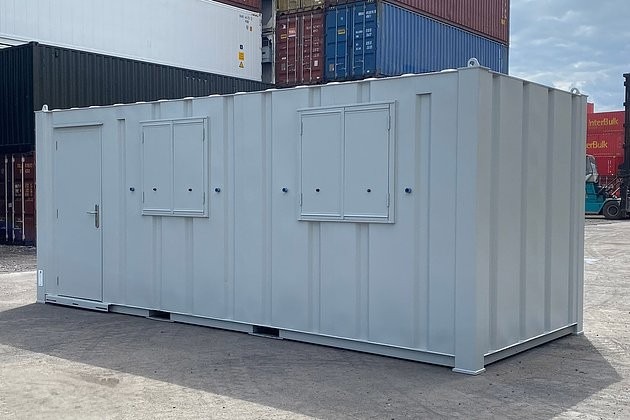
- Temporary Housing: Compact containers can be converted into micro-apartments, office, or emergency shelters.
- Portable Storage: They provide a safe and secure and mobile service for saving personal or industrial items.
- Mobile Retail: Compact containers are ideal for pop-up stores, food trucks, and occasion areas.
- Logistics and Transport: They can be quickly transported by truck, rail, or ship, making them a versatile choice for logistics operations.
Applications of Compact Containers
Real estate Solutions
- Micro-Apartments: In city areas where area is at a premium, 6ft compact containers containers are being utilized to develop cost effective micro-apartments. These units can be stacked or arranged in modular configurations to form multi-story structures.
- Emergency Shelters: During natural disasters or humanitarian crises, compact containers can be quickly deployed to offer short-lived housing. Their modular style permits easy assembly and disassembly, making them perfect for fast response.
Business Use
- Workplace Spaces: Small companies and start-ups are progressively using compact containers as cost effective and versatile workplace options. They can be quickly moved as business grows or alters location.
- Retail Spaces: Pop-up shops and mobile retail systems are ending up being more popular, particularly for seasonal or niche products. Compact containers offer an economical and top quality retail space that can be set up anywhere.
Logistics and Transport
- Last-Mile Delivery: Compact containers are being utilized in last-mile delivery solutions, where they can be packed onto smaller lorries to navigate congested urban locations. This lowers the carbon footprint and enhances shipment effectiveness.
- Supply Chain Management: In logistics, compact containers are utilized for interim storage and transport of products. They can be easily incorporated into existing supply chain systems, providing a scalable option for inventory management.
Sustainability and Environmental Impact
- Recycling and Reuse: Many compact containers are repurposed from deserted or unused shipping containers, minimizing waste and promoting sustainability.
- Energy Efficiency: Compact containers can be created with energy-efficient functions, such as solar panels and water recycling systems, making them a greener option to traditional structures.
Benefits of Compact Containers
- Cost-Effective: Compact containers are typically less costly than building new structures from scratch. They require very little building and can be customized to meet specific requirements.
- Portability: One of the crucial benefits of compact containers is their portability. They can be easily moved and repositioned, making them perfect for momentary or mobile applications.
- Customization: These containers can be customized to consist of insulation, windows, doors, and other features, permitting them to be customized to specific usages.
- Fast Deployment: Compact containers can be deployed rapidly, reducing the time and resources required for setup compared to standard construction methods.
- Area Efficiency: They take full advantage of using readily available space, making them especially important in urban environments where land is limited.
Obstacles and Considerations
While compact containers offer various advantages, there are also challenges to consider:
- Regulatory Hurdles: Building codes and guidelines can differ significantly from one place to another, making it hard to standardize making use of compact containers.
- Looks: Some individuals might find the commercial look of compact containers unappealing, which can be a barrier in houses.
- Structural Integrity: Ensuring the safety and stability of compact containers, specifically when they are stacked or utilized in high-traffic locations, is crucial.
FAQs About Compact Containers
Are compact containers durable?
- Yes, compact containers are made from robust products like steel and aluminum, which supply excellent durability and resistance to weather and wear.
Can compact containers be tailored?
- Absolutely. Compact containers can be modified with different facilities, including insulation, windows, doors, and even interior style components, to suit particular needs.
How are compact containers carried?
- Compact containers can be transferred by truck, rail, or ship. Their small size makes them simple to move and integrate into various transportation networks.
Are compact containers suitable for long-term usage?
- Yes, with correct maintenance and personalization, compact containers can function as long-term solutions for housing, storage, and commercial use.
What are the ecological benefits of using compact containers?
- Compact containers promote sustainability by decreasing waste through recycling and reuse. They can also be equipped with energy-efficient functions, such as solar panels and water recycling systems.
Future Trends and Innovations
The future of compact containers looks appealing, with ongoing innovations and advancements:
- Smart Containers: Integration of IoT (Internet of Things) technology into compact containers is making them smarter. Sensing units can monitor temperature, humidity, and security, providing real-time information and improving performance.
- Eco-Friendly Designs: There is a growing trend towards eco-friendly compact containers, which use sustainable materials and energy-efficient innovations.
- 3D Printing: Advances in 3D printing technology might change the production of compact containers, making them more customizable and affordable.
- Urban Planning: Cities are exploring making use of compact containers in city planning to attend to real estate shortages and promote sustainable development.
Compact containers are more than just a pattern; they represent a considerable shift in how we approach housing, storage, and mobility. Their versatility, cost-effectiveness, and environmental advantages make them an attractive service for a large range of applications. As innovation continues to progress, the prospective usages for compact containers are most likely to broaden, even more sealing their function in forming the future of our constructed environment.
Bottom Line to keep in mind
- Definition: Compact containers are smaller sized, modular systems designed for various applications.
- Applications: Housing, industrial usage, logistics, and sustainability.
- Benefits: Cost-effective, portable, personalized, fast deployment, and space effectiveness.
- Obstacles: Regulatory obstacles, aesthetic appeals, and structural stability.
- Future Trends: Smart containers, environmentally friendly designs, 3D printing, and urban planning.
By embracing the potential of compact containers, we can produce more efficient, sustainable, and flexible options to fulfill the diverse needs of our modern world.
댓글목록
등록된 댓글이 없습니다.
