
 광고상담문의
Blood Sugar Monitors that don't Require A Finger Prick
페이지 정보
작성자 AC 작성일25-08-16 10:44 (수정:25-08-16 10:44)관련링크
본문
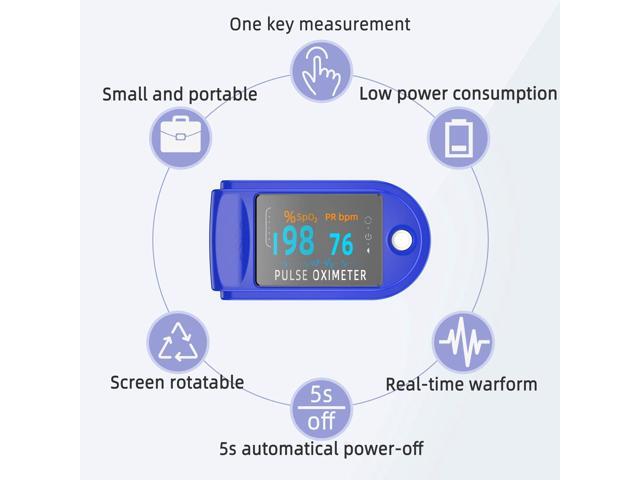 Managing diabetes can now be performed with blood sugar displays that do not require a finger prick. A variety of steady glucose screens (CGM) can accurately test your blood sugar all through the day through a small sensor inserted below the pores and skin. The sensor is often not even detectable as soon as it is placed, and because it always measures internal glucose levels, you need not prick your finger to get a blood pattern. Although, some units may require a finger prick to initially calibrate the machine. These monitors are useful for people who have kind 1 diabetes or kind 2 diabetes, especially those that take insulin. Various kinds of CGMs are acceptable for different needs. While a few of the options of various CGMs differ, all of them encompass the same basic system that permits them to measure real-time sugar levels. Sensor: There are two types of sensors. One is inserted into the pores and skin with a small needle and is replaced within a week or BloodVitals health two (relying on the brand).
An alternative choice is to have an implantable sensor, which is a small pellet round 18 millimeters long; it is placed under the pores and skin for several months. These sensors measure blood sugar in the fluid between cells, BloodVitals tracker moderately than glucose found in blood. Transmitter: A wireless transmitter is connected to the sensor and sends the glucose readings to a receiver. Receiver: The system that picks up the transmission could be a stand-alone portable monitor, an app on your phone, or a part of an insulin pump that automatically delivers insulin to the physique when wanted. The common sensor could be inserted at residence by you or one other particular person. The implantable sensor is positioned beneath the pores and skin in an workplace by a healthcare provider. Depending on the exact device, your sensor might be inserted in your abdomen or arm. An adhesive patch goes over the skin to carry the sensor and BloodVitals home monitor transmitter in place. After the sensor is placed, it might take a while (30 minutes to two hours) for the system to heat up or calibrate.
Some units require you to do a finger prick at this level so it could possibly set up an correct beginning reading. You may normally set varied alerts or customized ranges on the monitor. The device will provide you with a warning (with a sound or vibration) when glucose levels are too high or BloodVitals tracker too low. It will also notify you when the sensor needs to be changed. Some CGMs let you record food and BloodVitals home monitor drinks you consume so you may higher handle your diabetes. You might even be ready to track bodily activity and medications, all of which affect your blood sugar. Real-time: These devices mechanically measure glucose and ship a reading to your monitor without being prompted. Intermittently scanned: These units require you to scan the sensor to get a reading. Doctor-managed: This kind of device is put in place by a healthcare provider and is used for a short period to assemble information about your blood sugar ranges to help your supplier make a treatment plan.
The very best type of CGM relies upon on your particular person wants. The FreeStyle Libre system: With one model available just for adults and BloodVitals home monitor one for kids over 4 and adults, this system supplies actual-time glucose readings each minute. It's changed each 14 days. Abbott Freestyle Libre 2 Plus: For ages 2 and older, this system measures glucose each minute. It is changed every 15 days. Abbott Freestyle Libre 14: BloodVitals home monitor For ages 18 and older, it additionally measures glucose each minute and is replaced every 14 days. Dexcom G7: For BloodVitals SPO2 ages 2 and up, this system measures glucose every 5 minutes and is replaced each 10 days. Medtronic Guardian Connect: Appropriate for painless SPO2 testing ages 14 to 75, this system sends readings to your BloodVitals home monitor every 5 minutes. It's changed every 7 days. Senseonics Eversense: That is an implantable sensor BloodVitals home monitor for ages 18 and older. It sends readings every 5 minutes. It's changed after about 180 days. There are a number of CGMs which were cleared by the FDA and are available over-the-counter, including Dexcom’s Stelo and Abbott’s Lingo.
댓글목록
등록된 댓글이 없습니다.
