
 광고상담문의
Unexpected Business Strategies That Aided Handling Succeed
페이지 정보
작성자 VY 작성일25-08-19 12:07 (수정:25-08-19 12:07)관련링크
본문
Understanding Handling: Principles, Techniques, and Best Practices
Handling is a crucial idea in various fields, consisting of Logistics, automobilejobs.in,, customer support, manufacturing, and healthcare. It refers to the approaches and procedures associated with the physical or metaphorical management of items, services, or scenarios. This article aims to supply an extensive understanding of handling principles, methods used in different industries, and best practices for effective handling.
What is Handling?
Handling can be specified as the procedure of managing, controlling, or manipulating items or situations to accomplish a desired outcome. It includes a large range of activities, including transportation, storage, distribution, and consumer interaction.
Kinds of Handling
Physical Handling
- Definition: Involves the motion of physical items.
- Examples: Packing, loading, Freight discharging, arranging, and storing.
Product Handling
- Meaning: Focuses on the motion, defense, and control of products throughout the production and distribution procedure.
- Examples: Use of forklifts, conveyor belts, and pallets.
Customer Handling
- Meaning: Pertains to managing consumer interactions and experiences.
- Examples: Greeting consumers, dealing with problems, offering details, and upselling.
Details Handling
- Meaning: Involves handling data and details circulation within an organization.
- Examples: Data entry, storage, retrieval, and analysis.
Significance of Handling
Proper handling methods can result in many benefits, including:
- Increased Efficiency: Streamlined procedures can lessen hold-ups and decrease costs.
- Improved Safety: Proper handling reduces the threat of mishaps and injuries.
- Improved Customer Satisfaction: Effective handling in client service builds loyalty and favorable relationships.
| Benefit | Description |
|---|---|
| Increased Efficiency | Streamlines operations and lowers costs. |
| Enhanced Safety | Lessens danger of accidents. |
| Improved Customer Satisfaction | Develops loyalty and enhances favorable relationships. |
Common Handling Techniques
Summary of Handling Techniques
Different markets use different handling techniques depending upon their particular needs. Here are some typically used methods:
Manual Handling
- Description: Involves the physical motion of products by hand.
- Pros: Low expense and high versatility.
- Cons: Higher threat of injury and inadequacy for large items.
Mechanical Handling
- Description: Utilizes machines or equipment to assist in moving products.
- Pros: Increased effectiveness and safety.
- Cons: Higher costs and reliance on machinery.
Automated Handling
- Description: Involves automatic systems for item movement, such as robotics and conveyor systems.
- Pros: High performance and decreased labor costs.
- Cons: Significant initial investment and maintenance requirements.
Ergonomic Handling
- Description: Focuses on creating jobs, workspaces, and tools to fit the user.
- Pros: Reduces strain and injury for workers.
- Cons: May need specialized equipment.
Handling Techniques in Different Industries
Logistics and Transportation
In logistics, handling concentrates on transporting products from one place to another efficiently. Typical techniques include:
- Loading and Unloading: Using equipment like forklifts to minimize manual work.
- Sorting: Organizing items for distribution based on location.
Retail
In retail, client handling is vital for keeping consumer fulfillment. Strategies used are:
- Personalized Service: Staff trained to help customers, comprehend their requirements, and supply recommendations.
- Constant Training: Regular training sessions for employees on best handling practices.
Production
In production, correct material handling techniques can considerably impact efficiency and security. Some strategies include:
- Inventory Management Systems: Automating the tracking of materials to improve accuracy.
- Security Procedures: Implementing safety protocols while moving heavy equipment and products.
Best Practices for Effective Handling
General Guidelines
- Train Employees: Ensure all staff are trained in appropriate handling techniques.
- Routine Maintenance: Maintain equipment and equipment to make sure security and effectiveness.
- Utilize Technology: Consider software solutions to enhance stock and consumer handling.
Safety Guidelines
- Usage Proper Gear: Always utilize the needed security devices, like gloves and difficult hats, when handling products.
- Follow Protocols: Adhere to recognized procedures for lifting and moving products.
- Monitor Capability: Assess the physical ability of staff members to ensure jobs are assigned appropriately.
FAQs on Handling
Q1: What are the crucial aspects of efficient handling?A1: Shipping Containers Key elements include employee training, safety procedures, effective processes, and making use of innovation. Q2: How can innovation improve handling processes?A2: Technology can enhance operations through automation, boost tracking precision, and boost general performance. Q3: Why is customer handling important?A3: Container Rental Prices Effective consumer handling results in increased complete satisfaction
, commitment, and eventually adds to the general success of a company. Q4: What safety procedures should be taken in manual handling?A4: Workers should be trained in appropriate lifting methods, utilize assistive devices when required, and have access to safety gear. Reliable handling is more than
simply handling physical objects or interactions; it is a science that, when performed properly, can result in various benefits
across various industries. By understanding the various kinds of handling, embracing best practices, and executing precaution, organizations can significantly improve their operations and improve total consumer satisfaction. Whether it's through handbook, mechanical, or automated handling strategies, the goal stays the exact same: to enhance procedures while ensuring the security and complete satisfaction of all stakeholders involved.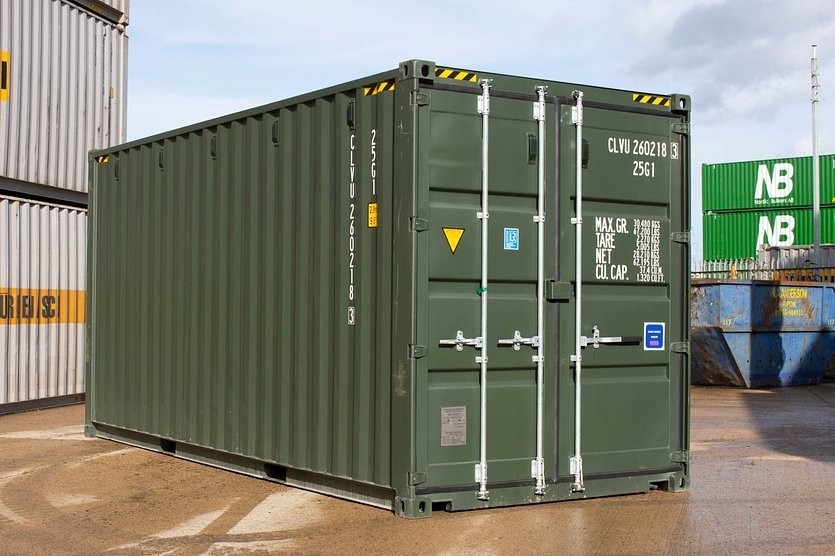
댓글목록
등록된 댓글이 없습니다.
