
 광고상담문의
20 Misconceptions About Shipping Containers: Busted
페이지 정보
작성자 UT 작성일25-08-19 12:43 (수정:25-08-19 12:43)관련링크
본문
Understanding Shipping Containers: A Comprehensive Overview
Shipping containers have transformed the way products are transported around the world. These robust steel boxes are not only essential in international trade but likewise serve numerous innovative functions in different sectors. This post checks out the multifaceted world of shipping containers, covering their types, benefits, essential applications, and answering often asked concerns.
Tabulation
- What is a Shipping Container?
- Kinds Of Shipping Containers
- Advantages of Using Shipping Containers
- Applications of Shipping Containers
- Frequently asked questions
- Conclusion
1. What is a Shipping Container?
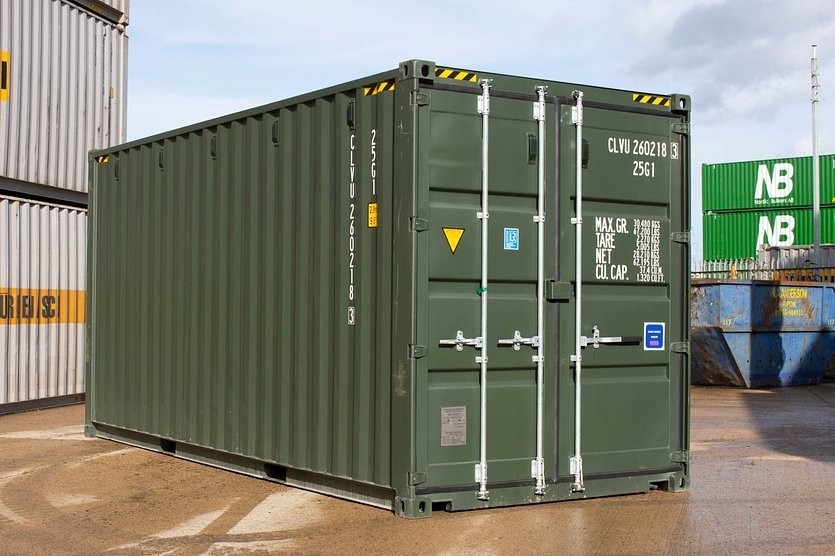
A shipping container, typically referred to as a freight Container Construction, is a standardized, reusable box created for transporting items and products. Generally built of steel, these containers are designed to be stacked, handled, and transported quickly, whether by ship, truck, or train. The standardized measurements make sure compatibility and efficiency within numerous logistics systems, making them an integral possession in global trade.
2. Types of Shipping Containers
There are a number of kinds of shipping containers, each designed to fulfill specific requirements. Here, we lay out the most frequently used types:
| Container Type | Measurements (Length x Width x Height) | Main Use |
|---|---|---|
| Standard Dry Container | 20' x 8' x 8.5' (6.1 m x 2.44 m x 2.59 m) | General cargo |
| High Cube Container | 40' x 8' x 9.5' (12.2 m x 2.44 m x 2.89 m) | Extra space for taller items |
| Flat Rack Container | 20' or 40' (6.1 m or 12.2 m) broad | Heavy machinery or oversized cargo |
| Refrigerated Container (Reefer) | 20' or 40' | Perishable goods like food and pharmaceuticals |
| Open Top Container | 20' or 40' (6.1 m or 12.2 m) wide | Cargo that goes beyond standard height |
| Tank Container | 20' (6.1 m) | Liquid bulk cargo |
| Bulk Container | 20' or 40' (6.1 m or 12.2 m) wide | Granular products like grain or powder |
3. Benefits of Using Shipping Containers
Shipping containers use a myriad of advantages that contribute significantly to their wide adoption in various sectors:
A. Durability and Security
- Robust Construction: Made from difficult steel, these containers can hold up against harsh conditions.
- Security Features: They can be locked securely to prevent unapproved gain access to.
B. Cost-Effectiveness
- Reduced Shipping Costs: Standardized containers maximize shipping performance, reducing overall transportation expenses.
- Multimodal Transport: Shipping containers can be moved effortlessly across different transportation modes, minimizing handling costs.
C. Environmental Benefits
- Reusability: Instead of disposable packaging, containers can be used consistently, lowering waste.
- Sustainable Practices: Containers can be efficiently transported through ships, which are generally more fuel-efficient than trucks.
4. Applications of Shipping Containers
Beyond their primary role in transporting items, shipping containers have actually discovered diverse applications throughout different industries:
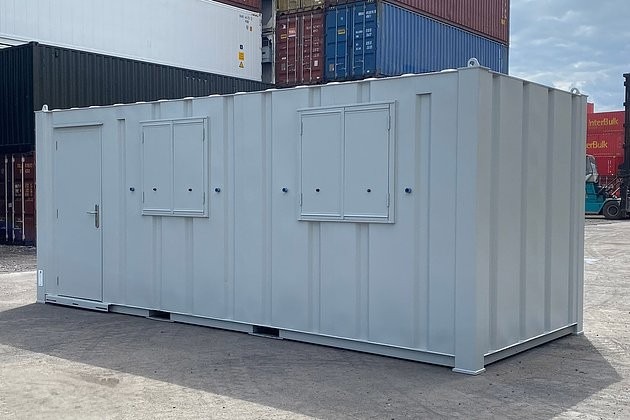
- Modular Housing: Shipping containers are progressively being repurposed into homes and workplaces due to their structural integrity and affordability.
- Pop-up Shops and Cafés: Retailers are utilizing shipping Custom Containers as short-lived shops or cafés, supplying flexible area in urban environments.
- Emergency situation Shelters: In disaster relief efforts, containers can be transformed into emergency shelters, providing quick and sturdy housing solutions.
- Storage Units: Many companies and individuals utilize shipping containers as on-site storage units due to their security features.
- Farming: Controlled environments can be developed inside containers to grow crops, thanks to developments in container farming technology.
5. FAQs
Q1: What are the standard dimensions of a shipping container?
A: The most common standard dimensions for shipping containers are 20 feet and 40 feet in length. The height of standard containers is usually 8.5 feet, while high cube containers are 9.5 feet high.
Q2: How do I pick the best shipping container for my needs?
A: Consider the type of items you prepare to transport and their dimensions. Requirement containers work for most cargo, while specialized containers are much better for particular requirements, such as cooled products or heavy equipment.
Q3: Are shipping containers weatherproof?
A: Yes, shipping containers are created to endure different climate condition. Nevertheless, the interior might require insulation or modifications depending upon what is being kept.
Q4: Can I purchase a used shipping container?
A: Yes, used shipping containers are extensively readily available and can be bought from shipping companies, online markets, or specialized providers.
Q5: How can I modify a shipping container for my job?
A: Modifications can range from cutting openings for doors or windows to including insulation and electrical systems. It is advisable to speak with specialists experienced in Container Delivery modifications to ensure structural integrity and adherence to regional guidelines.
6. Conclusion
Shipping containers have actually shown to be a vital part of modern logistics and have actually expanded their function beyond basic storage and transportation. The adaptability of these containers has led to ingenious applications across numerous markets, adding to sustainability and performance. As worldwide trade continues to evolve, shipping containers will remain at the leading edge, supporting the ongoing demand for trusted and environmentally friendly transport solutions.
In summary, the diverse uses and benefits of shipping containers make them important in our interconnected world. Whether they are bring items across oceans or providing ingenious housing solutions, shipping containers exemplify flexibility and durability in their design.
댓글목록
등록된 댓글이 없습니다.
