
 광고상담문의
You'll Be Unable To Guess Fascia Replacement's Secrets
페이지 정보
작성자 HG 작성일25-08-24 07:26 (수정:25-08-24 07:26)관련링크
본문
Understanding Fascia Replacement: A Comprehensive Guide
Fascia replacement is a necessary treatment in both construction and medical contexts. Whether assessing its significance in building integrity or its role in helping with recovery and recovery after an injury, the subject of fascia replacement warrants extensive exploration. This article will provide an extensive understanding of fascia replacement, resolving its applications, procedures, advantages, dangers, and frequently asked questions.
What is Fascia?
Fascia is connective tissue that surrounds muscles, bones, and organs in the body, forming a helpful framework. In construction, fascia refers to the board that caps the end of rafters, serving both visual and practical functions. In spite of the varying contexts, fascia in both instances serves to supply support and security.
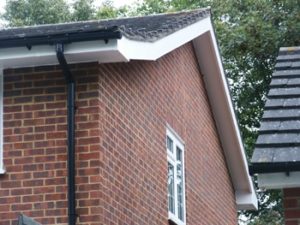
Types of Fascia
| Type | Context | Description |
|---|---|---|
| Medical | Human Anatomy | Connective tissue covering muscles, bones, and organs. |
| Construction | Building Design | Board or product covering the edge of a roofing system or eave. |
The Medical Context of Fascia Replacement
In the medical field, fascia replacement refers to the surgical repair of damaged connective tissue. This can take place due to injuries, surgeries, or persistent conditions that jeopardize the body's structural integrity. Specific conditions might necessitate fascia replacement, including:
- Fasciitis: Inflammation of the fascia, typically leading to discomfort and stiffness.
- Muscle injuries: Severe strains or tears can damage the associated fascia.
- Surgical intervention: Procedures such as hernia repairs may require repair of fascia.
Treatment for Fascia Replacement
Fascia replacement surgical treatment can vary significantly based on the underlying condition and its intensity. The general actions associated with the procedure often include:
- Assessment: A thorough assessment by a physician, including imaging tests like MRI or CT scans.
- Anesthesia: The patient is put under general or regional anesthesia to ensure comfort throughout the treatment.
- Incision: A surgical incision is made to access the harmed fascia.
- Debridement: Removal of diseased or damaged tissue to prepare the website for repair.
- Fascia grafting: A graft might be collected from other areas of the body (autograft) or sourced from donors (allograft) and then attached to the area needing repair.
- Closure: The cut is sutured, and postoperative care is talked about with the patient.
Benefits and Risks
Benefits of Fascia Replacement
- Remediation of Function: Correcting fascia damage can substantially improve mobility and function.
- Discomfort Relief: Many patients experience reduced pain and discomfort following the treatment.
- Prevention of Further Injury: A stable structural framework assists avoid extra injuries in the future.
Dangers Involved
- Infection: As with any surgery, there is a threat of infection at the surgical website.
- Rejection of Graft: In the case of an allograft, the body might reject the transplanted tissue.
- Post-operative issues: Patients might experience problems such as embolism or extreme scarring.
The Construction Context of Fascia Replacement
In building and architecture, fascia serves both structural and aesthetic functions, affecting the general look and energy efficiency of a structure. Fascia replacement may be required when this integral component is harmed due to weather, bugs, or general wear and tear.
Factors for Fascia Replacement in Construction
- Rot or Decay: Exposure to wetness can lead to wood rot, jeopardizing the structural stability.
- Pest Infestation: Termites and other pests might harm fascia boards.
- Cosmetic Upgrades: Home and building owners might want to replace fascia for aesthetic improvements.
- Energy Efficiency: Modern fascia boards might offer better insulation and energy preservation.
Treatment for Construction Fascia Replacement
- Examination: Inspecting the existing fascia boards for damage.
- Elimination: Carefully eliminating the harmed fascia without affecting surrounding structures.
- Preparation: Prepping the surface for brand-new boards, ensuring it is clean and dry.
- Installation: Securing the new fascia boards in location, ensuring proper positioning and sealing.
- Ending up Touches: Painting or staining to match the existing structure, if wanted.
Benefits and Disadvantages
Advantages of Construction Fascia Replacement
- Boosted Curb Appeal: New fascia can substantially enhance a home's look.
- Increased Property Value: A well-maintained outside can boost residential or commercial property worth.
- Improved Protection: New fascia secures underlying structures from water damage and insects.
Drawbacks
- Expense: Replacement can be costly, particularly if comprehensive damage exists.
- Labor-Intensive: The procedure requires proficient labor and time.
- Disturbance: The replacement procedure may briefly disrupt the appearance and function of your residential or commercial property.
Fascia replacement, whether in a medical or building and construction context, serves an important function in bring back structural integrity and function. Understanding the respective procedures, benefits, threats, and reasons for replacement can help individuals make notified choices tailored to their specific needs.
Often Asked Questions (FAQs)
What materials are used for fascia replacement in building?
- Typical materials include wood, vinyl, aluminum, and composite boards.
Is fascia replacement agonizing?
- In a medical context, anesthesia is administered, decreasing discomfort throughout the procedure. Post-operative discomfort may differ by person.
How long is the healing period for fascia replacement surgical treatment?
- Healing times can vary widely but usually range from a few weeks to several months, depending upon the level of the procedure and the person's health status.
Can I carry out fascia replacement myself?
- While some small repairs can be carried out by homeowners, it is a good idea to work with a professional for considerable damage to guarantee security and compliance with building regulations.
How can I avoid fascia damage in my home?
- Regular maintenance, including cleaning gutters, inspecting for water damage and bugs, can help avoid fascia damage.
This article has presented a comprehensive overview of fascia replacement, emphasizing its significance in both health care and building. For more questions or specific situations, speaking with a professional is always recommended.
댓글목록
등록된 댓글이 없습니다.
